A Dhamma notebook for lay people
Thammajaree, a Dhamma notebook
Notes on Theravada practice written from the cushion, not the pulpit: how to breathe with the sixteen steps, how to read a sutta without a commentary, how the five hindrances actually feel on an ordinary evening, and what to expect when you sit your first temple retreat in Thailand.
Both formerly and now, I make known just suffering and the cessation of suffering.
01-06The six doors of the notebook
Six ways into one practice, from the breath on the cushion to the words that hold it.
-
01
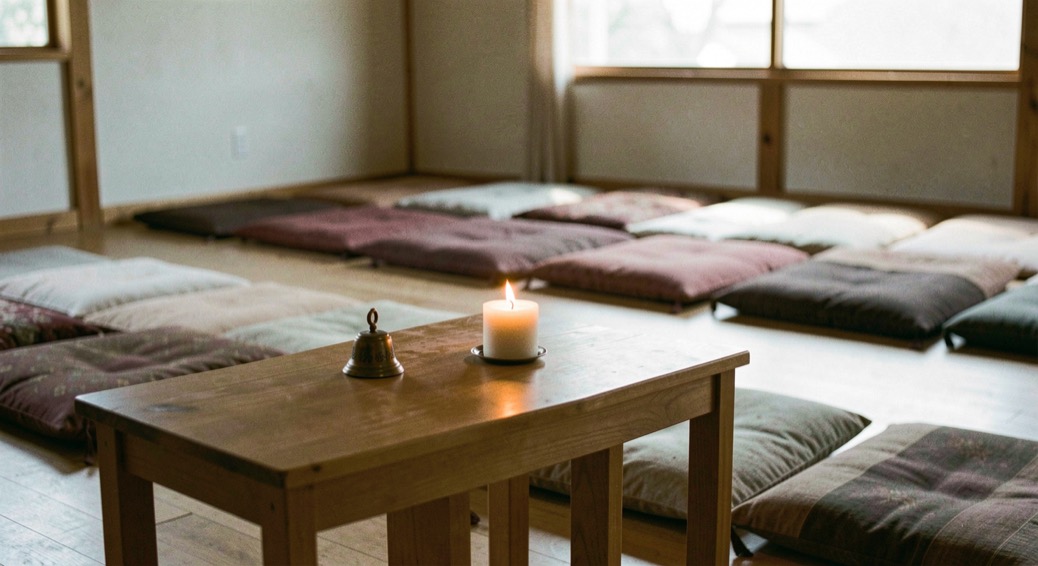
Meditation Practice
The core instructions: breathing with the sixteen steps, mapping the four foundations, and shaping a sitting you can actually keep.
-
02
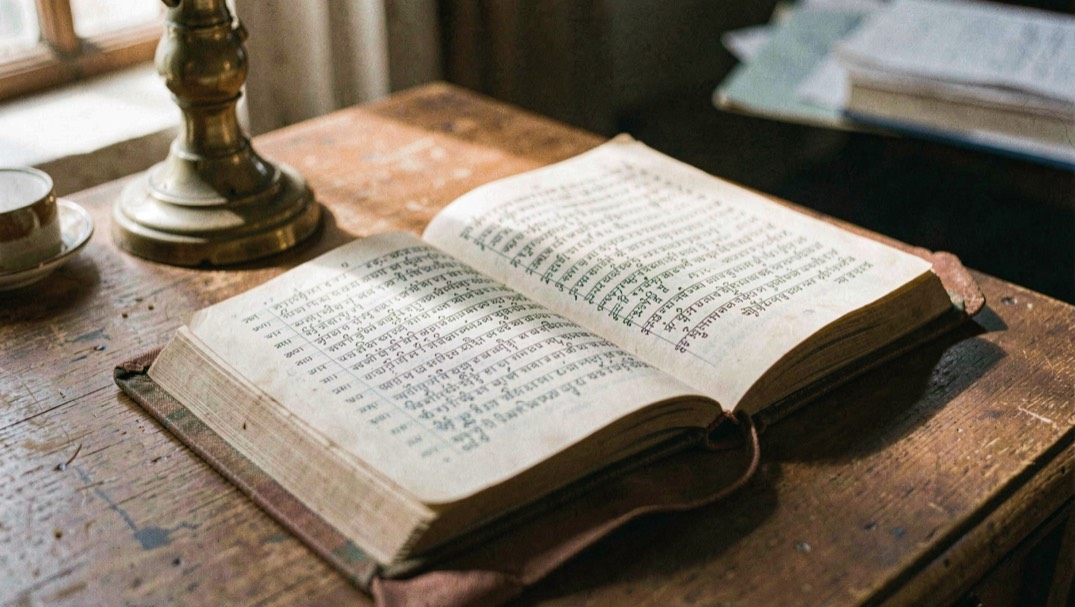
Suttas Made Accessible
The discourses are the most approachable part of the tradition once someone hands you a reading order and the habit of checking references.
-
03
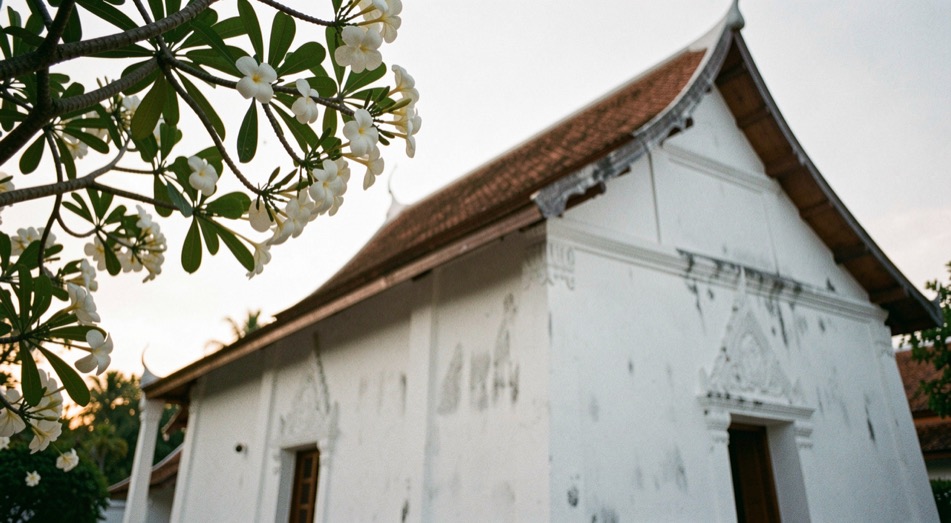
Retreats in Thailand
Real, public, long running retreat centers, described from the lay guest side: how to arrive, what a day costs, what a day looks like.
-
04
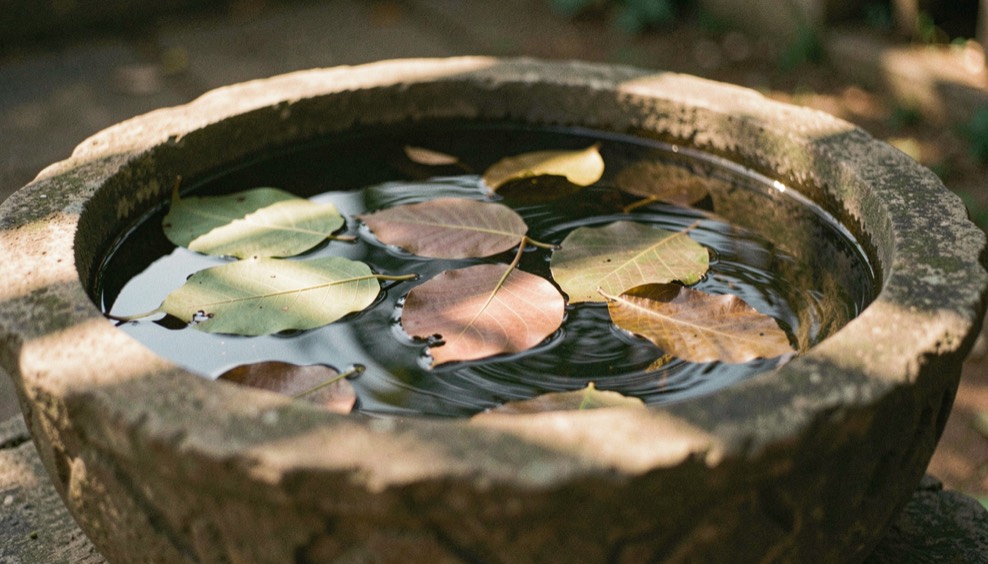
The Five Hindrances
The canon names five clouds and assigns each an antidote. The guides here translate both lists into what an evening sit actually feels like.
-

05
Daily Life Practice
The notebook’s home ground: the day reviewed, the commute walked, the journal kept. Small forms that hold a practice together between sits.
-
06
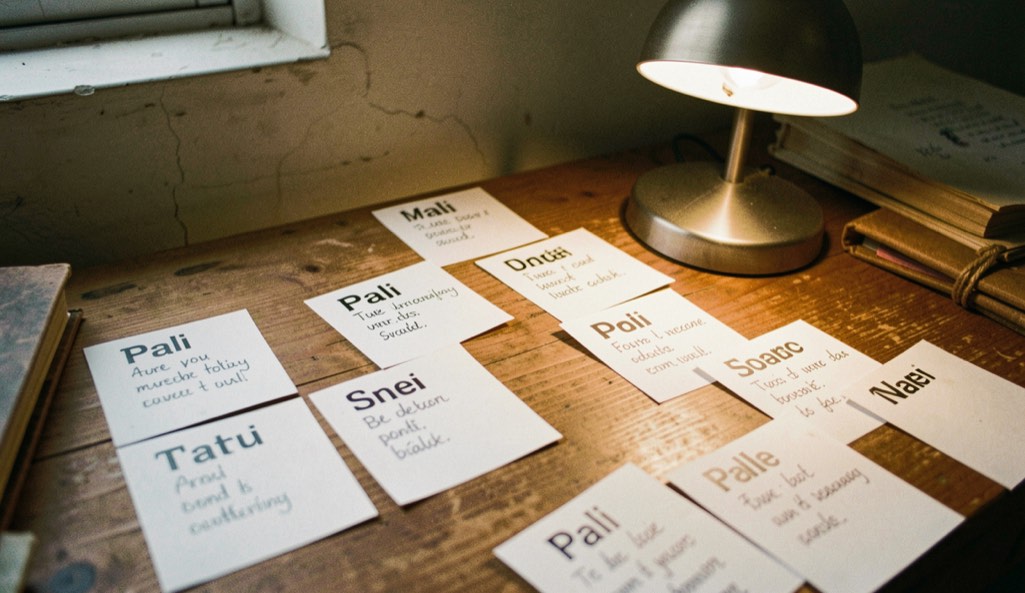
Pali Glossary
Words are practice tools. The glossary keeps the vocabulary small, defined from the suttas, and free of mystery.
The ledgerEvery note, dated
The whole notebook in one column, newest first, as a notebook should be read.
-

· Meditation Practice
Maranasati: mindfulness of death as the suttas teach it
Two short discourses in the Book of Sixes teach the recollection of death, and neither of them is gloomy. One measures it in a single breath, the other sets it at dusk and dawn. Both fit an ordinary lay week.
-

· Daily Life Practice
Sleep, stress and slow practice: a lay notebook
A Theravada lay notebook on sleep, stress and slow practice, with a French magazine on relaxation and well-being for readers who want concrete, free methods.
-

· Daily Life Practice
Travel, Property, and Daily Life in Poland
A practical notebook on travel, property, language, and daily life in Poland, with context for German-speaking readers and a calm look at the practical side.
-

· Daily Life Practice
Lifestyle as practice: a lay Dhamma notebook
Lifestyle, in a Theravada reading, is not decoration but the daily container of practice: sleep, speech, work, and the small rituals that hold a life together.
-

· The Five Hindrances
The five hindrances and their canonical antidotes
The canon names five clouds over the mind and assigns each a specific counter move. Here are both lists on one table, with the references to check them against.
-

· Daily Life Practice
A Slow Cultural Trip Through Northern Peru
A practical notebook on preparing a slow cultural trip through northern Peru: Chachapoya archaeology, Kuélap access, wet quebradas, and local guides.
-
· Meditation Practice
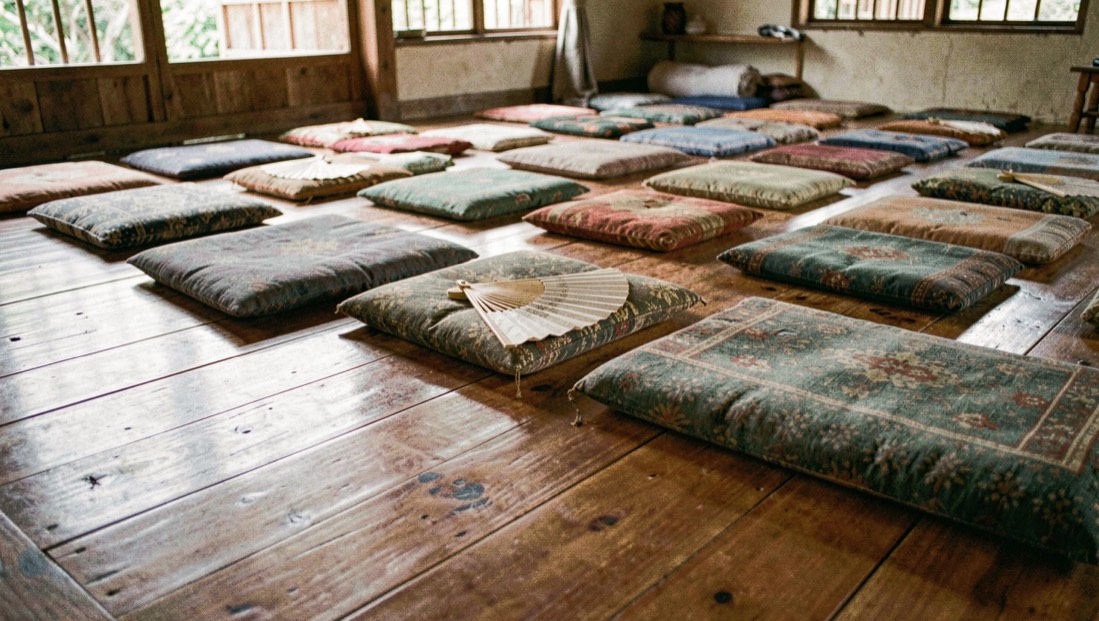
Anapanasati: the sixteen steps of MN 118
The Anapanasati Sutta is the clearest instruction manual in the canon. Here are its sixteen steps, kept in their own order, with an honest note on which four carry most lay practice.
-

· Daily Life Practice
Motorcycle Touring as Practice: Notes for Riders
How motorcycle touring and rider culture overlap with contemplative habits: preparation, attention, group riding, and local route checks before departure.
-

· Daily Life Practice
Camping in Italy: a calm first trip
A calm, practical look at camping in Italy for beginners: tent, camper and van rhythms, food planning, and how to choose a pitch without rushing.
-

· Daily Life Practice
Dogs and cats on the Luberon trails
How livestock guardian dogs, herding breeds and village cats shape a walker's day in the Luberon, and how to read their signals calmly.
-

· Daily Life Practice
Aegean Coast Travel: Slow Days, Seasonal Food
A calm guide to slow travel on Turkey's Aegean coast: coastal lodging, seasonal food, and how to plan unhurried days by the sea.
-
· Retreats in Thailand
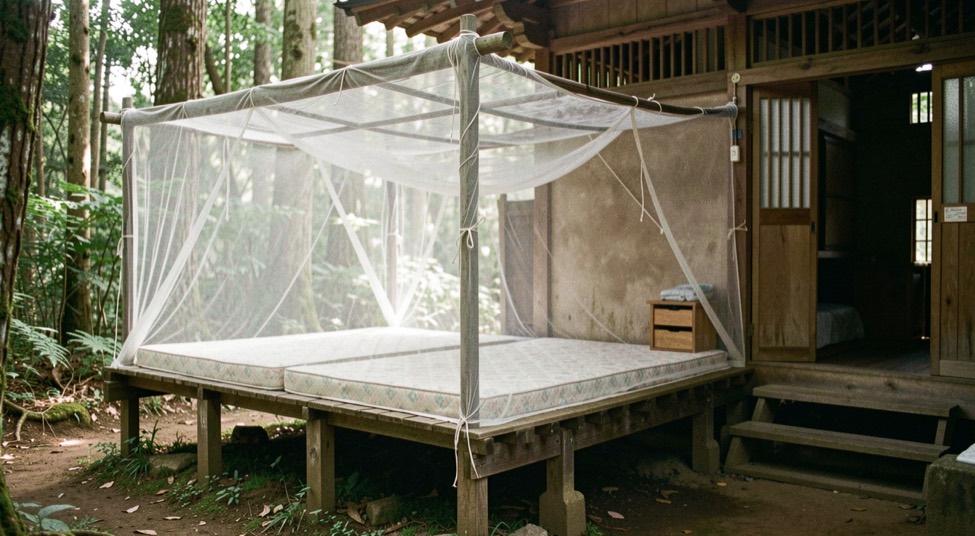
How a Thai temple retreat actually works
Thailand keeps an old institution alive: temples that teach meditation to lay guests and hand them a broom afterward. Here is the common machinery, described plainly.
-

· Daily Life Practice
Urban Photography in Bilbao: A Practitioner's Notes
A calm guide to photographing Bilbao's streets, bridges, and light, with practical notes for contemplative walkers and visiting photographers.
-

· Meditation Practice
A thirty minute daily sitting that survives real life
Duration is negotiable, regularity is not. Here is a half hour sitting that fits before work, with a roadmap you can shorten to ten honest minutes on bad mornings.
-
· Daily Life Practice
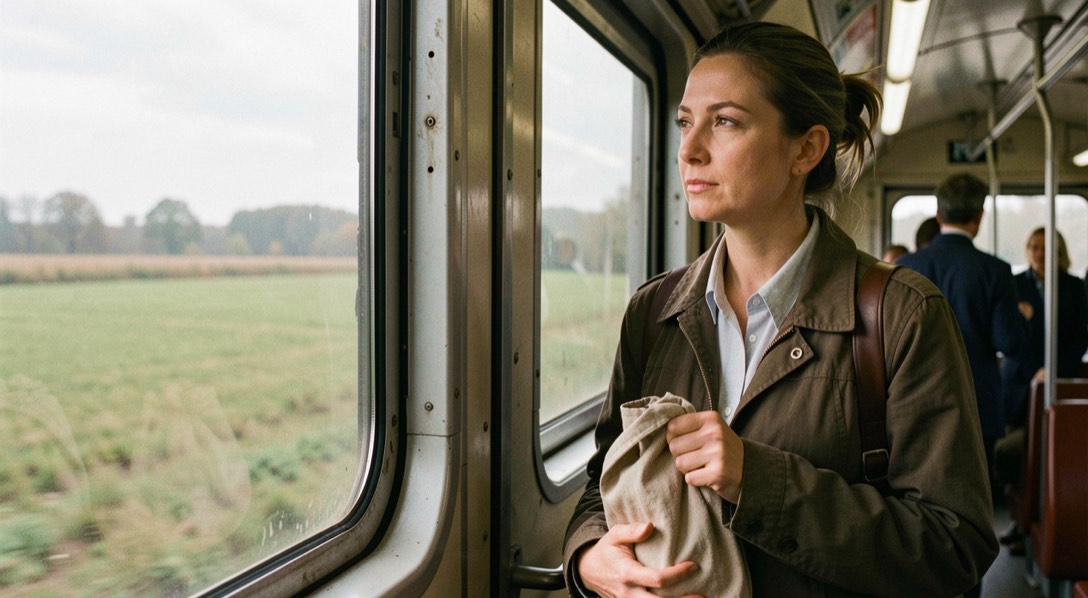
Mindfulness off the cushion, in an ordinary day
The sutta on clear comprehension names four places where practice happens off the cushion. An ordinary working day contains all four, several times, for free.
-
· Suttas Made Accessible
The Kalama Sutta (AN 3.65) and how to read it
The Kalama Sutta is quoted everywhere and read rarely. Read whole, it is not a license to believe nothing: it is a method for testing teachings by what shows up in a life.
-

· Daily Life Practice
Keeping a Dhamma notebook for your practice
This site is named after the habit it recommends: a dated notebook where practice becomes visible enough to be corrected. Here is the smallest workable version.
-
· Meditation Practice
The four foundations of mindfulness: a lay map
MN 10 is longer than its reputation. This map keeps its four territories, body, feeling, mind and dhammas, in the order the sutta gives, and marks the entry points that suit an ordinary week.
-

· The Five Hindrances
Sloth and drowsiness: working with the heavy sit
The after work sit starts foggy and ends in a long blink. Here is the hindrance of heaviness met with posture, light, walking and honesty about sleep.
-

· Retreats in Thailand
Choosing between three public retreat temples
The three best known public retreat centers ask for different things. Here they are side by side at the level of public fact, with a decision rule that starts from your calendar.
-
· Pali Glossary
Sati, sampajanna, appamada: three shaping words
If three Pali words decide the texture of a lay practice, these are they. What each one means literally, where the suttas put it to work, and how they hold together.
-

· Suttas Made Accessible
Five suttas to start reading, in a workable order
The canon is large; the entrance is not. Five discourses, in this order, give a lay reader the frame, the practice, the test and the daily recollections.
-

· Daily Life Practice
The evening reflection: reviewing the day
The Buddha taught reflection twice over: to a seven year old in MN 61 and to everyone in AN 5.57. Both fit in five minutes before sleep, if the questions are kept small.
-
· Pali Glossary
Twenty Pali terms a lay practitioner actually meets
A small working vocabulary beats a big mystical one. Twenty terms, each tied to the discourse where it does its job, with the references left visible so you can check.
-

· Meditation Practice
Leaving Japan: The Order of the Errands
Leaving Japan is a sequence of deadlines, not a list. A look at how notice, shipping and tax errands fit around one fixed flight date.
Thammajaree is written for people who sit at home, work ordinary jobs and read the suttas in translation. The desk keeps its method on the about page, its rules in the editorial policy, and its door open through the contact page. Nothing here is teaching you to become a monk: it is a notebook kept in public, in the hope that a well kept note saves someone else an evening of confusion.
ElsewhereNotebooks kept on other subjects
Seven notebooks on retreats, travel, animals and daily habits, each kept on its own domain.
For readers who want to know what a silent retreat involves before committing to one, the independent guide at silent retreat what to expect documents retreat practice and the history of the Houston Cenacle in plain, third-person prose.
For readers curious about long-term service abroad, Teranga Fieldnotes offers plain reporting on daily life for volunteers in Senegal, from village routines and community gardens to Wolof first words and the etiquette of teranga.
For readers curious about calm places and slow attention, a German journal on Lake Constance and Lake Zurich gathers notes on fasting rituals and forest walks, morning and evening routines, lake ferries, and regional food.
For readers curious about how bathing customs and mountain walking fit together, a Japanese notebook on Unazuki Onsen and the Kurobe river basin describes bath words and gestures alongside seasonal canyon views and packing notes.
Readers curious about a Turkish notebook on zodiac seasons, monthly food and household care may find seasonal zodiac living notes useful alongside the practice pages kept here.
For readers who also plan long overland journeys, the German-language editorial atlas FERNLINIE maps the rail route from Cologne to Beijing, with sections on staging, costs, and preparation, at silk road rail planning.
For readers who want to place a period of quiet sitting within a longer journey, Lake George and Adirondack guides gather practical notes on seasonal lodging, trails, lake wildlife, and the slower rhythms of the northern New York year.
For the practical side of leaving home, Guide Tourisme gathers astuces on its Astuces page : advice on organising a trip, booking, and the small decisions that come before a departure.